Choosing a Fundraising Photo Sales Platform
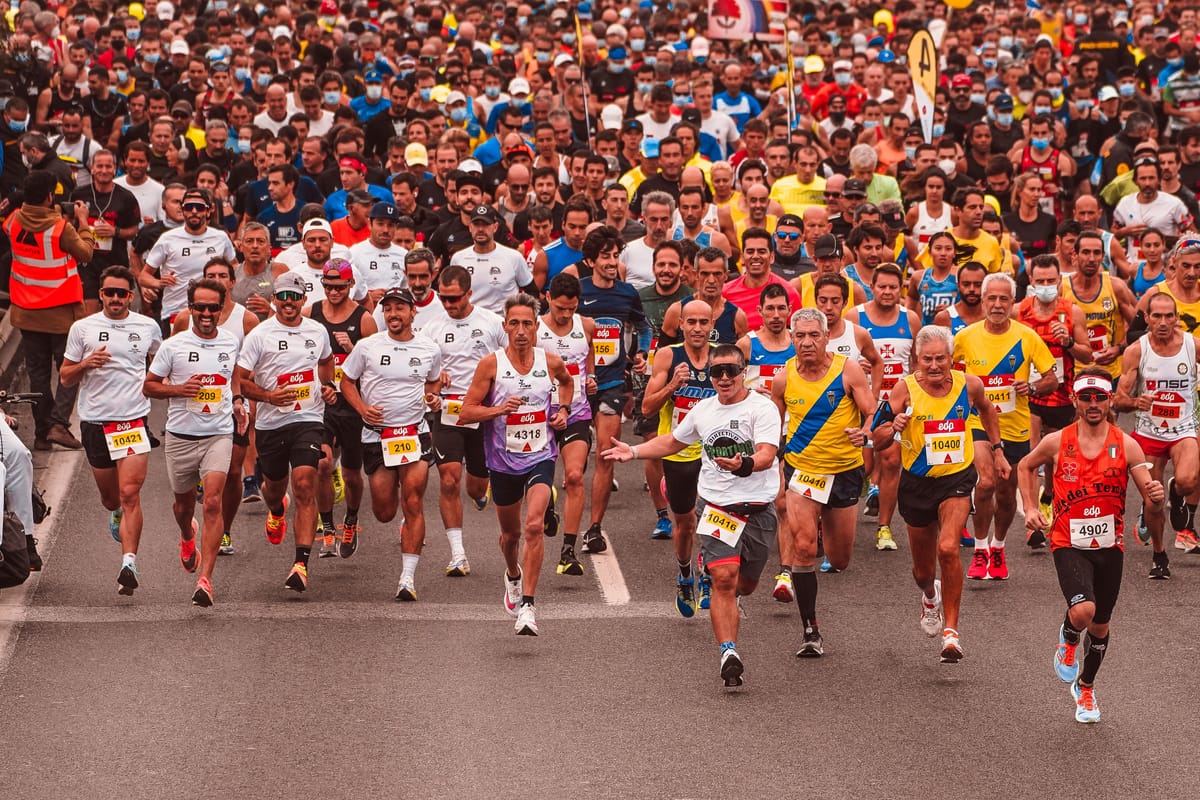
A school fun run can produce thousands of photos before lunch. A junior football carnival can do the same across a single weekend. The fundraising opportunity is real, but only if families can find, trust and buy the images without volunteers spending nights sorting folders, answering emails and chasing payments. A fundraising photo sales platform turns that workload into a clear, secure experience for organisers, photographers and families.
For schools, clubs and community events, photo sales are not simply another revenue stream. They are a way to preserve a child’s proud finish, a team’s first final or a special day with friends, while helping fund the next uniform, excursion, equipment purchase or program. The right system should protect those moments and make the fundraising process practical.
Why photo sales work for community fundraising
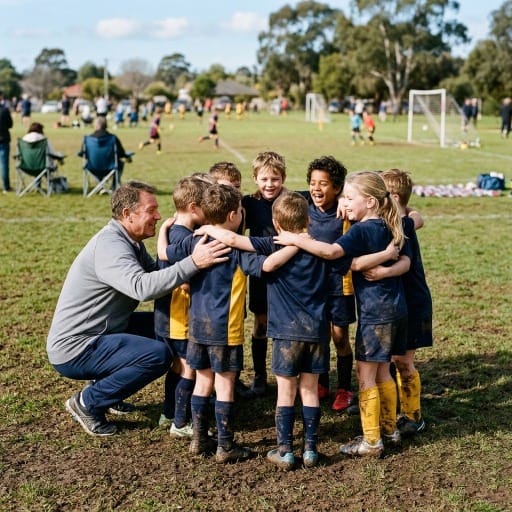
Families are far more likely to support a fundraiser when they receive something personal in return. A generic donation request competes with every other cost in the household. A well-captured image of their child gives parents and carers a meaningful reason to purchase, particularly when the photo is easy to locate and ready to download.
That does not mean every event should rely on photo sales. A small gathering with limited photography coverage may be better served by donations or sponsorships. Photo fundraising works best where there is a strong volume of participant images, clear permission processes and a defined audience of families who value access to event memories.
It also works best when organisers decide the purpose before the cameras come out. Are sales supporting a club tour? Are they helping a school replace sporting equipment? A specific, visible goal gives families confidence that their purchase contributes to something useful. It can also shape how you communicate the fundraiser before and after the event.
What a fundraising photo sales platform needs
Generic cloud storage can hold images, but it does not solve the full job. It often leaves organisers to manage access, identify children, collect money and manually send purchased files. A purpose-built fundraising photo sales platform should reduce each of these tasks without making the experience complicated for buyers.
Secure, permission-based access
When children and young people are involved, privacy is not an optional feature. Schools and clubs need control over who can see galleries, while families need reassurance that event photos are not sitting in an open public folder.
Look for settings that support private galleries, access controls and permission-aware sharing. The right level of access depends on the event. A school may require more restricted gallery entry than a community fun run, while a photographer working with several clubs may need separate galleries and permissions for each client.
Clear communication still matters. Let families know where images will be available, how they will access them and what the fundraiser supports. A secure platform strengthens that message, but it cannot replace a well-managed consent process.

Fast ways for families to find their photos
A gallery with 5,000 unlabelled images is not a customer experience. It is a reason for a busy parent to give up. Searchable galleries and AI-assisted image discovery can reduce the time between a family receiving the gallery notice and finding the moments they want.
This is particularly valuable for multi-field sports days, large school events and tournaments where photographers capture many participants. Instead of scrolling through every image, buyers can focus on photos relevant to their child, team or event group. Faster discovery is good for families and good for fundraising conversion.
Automation should support, rather than replace, sensible gallery organisation. Separate galleries by day, sport, age group or activity where that makes the experience clearer. The best structure is the one a parent can understand on a mobile while waiting at training pickup.

Direct sales and digital delivery
Photo fundraising can lose momentum when payment and delivery happen through separate systems. If a volunteer needs to receive an order, confirm a bank transfer and email a file manually, the administrative cost can quickly outweigh the return.
Choose a platform that allows digital images to be purchased and delivered directly. This gives families prompt access to their memories and removes repetitive fulfilment work from the committee or photographer. It also creates a more professional experience than sending files through personal email accounts.
Consider how the fundraising share will be handled before sales begin. Some organisations set a percentage per sale, while others use a fixed contribution arrangement. There is no single best model. A percentage can be easy to explain, whereas a fixed amount may better suit a simple, lower-priced offer. Make the arrangement transparent and confirm who is responsible for photography, gallery administration and buyer support.

Branding that builds confidence
Parents should know they have reached the official gallery, not an unfamiliar online shop. Branded galleries help connect the photos to the school, club or event they care about. They also make it easier to reinforce the fundraiser’s purpose with a short, friendly message.
Keep that message specific. “Every purchase helps fund new shade shelters for our athletics carnival” is more compelling than “Support our fundraiser”. It tells families where their money is going and gives the purchase a community outcome beyond the image itself.
Set up the sales offer before the event
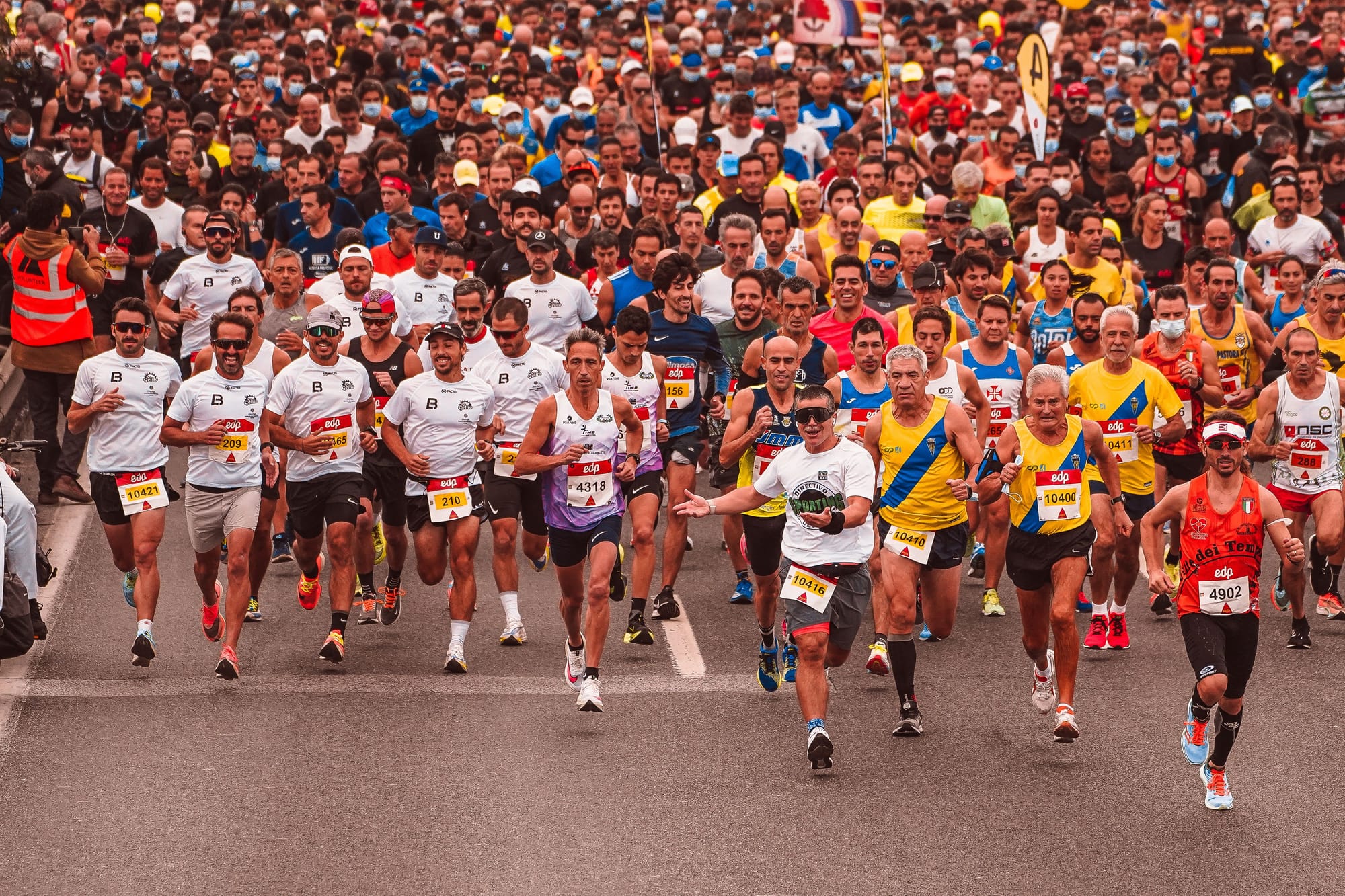
The strongest fundraising campaigns are planned before the first photo is taken. Start by agreeing on the event coverage. For a sports club, that may mean team action, presentation photos and individual portraits. For a school colour run, it may mean start-line portraits, activity stations and finish-line celebrations.
Then decide what buyers can purchase. Digital files are often the most practical option because families want to save and share images quickly. Pricing should feel fair for the audience and reflect the quality of the photography, the fundraising goal and the number of usable images likely to be available.
Avoid making the offer too complicated. A small number of clear purchase choices is easier to understand than a long menu of packages. If an event has a large number of participants, consider whether individual images, bundles or a gallery-wide option best suits the audience. The answer depends on coverage. A child with several strong images may see value in a bundle; an event with limited coverage may be better suited to single-image sales.
Give families notice before the event, not only after it. Include the photography and fundraising details in registration information, newsletters or team communications, in line with your organisation’s consent requirements. This prepares parents for the gallery and avoids the sense that they are being asked to spend unexpectedly.
Make the buyer journey easy on mobile
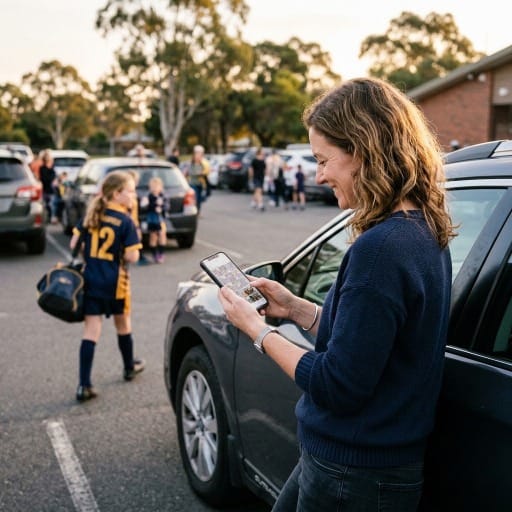
Most families will first view an event gallery on their mobile. Test the experience from that perspective. Can a parent enter the gallery without confusion? Can they find images quickly? Is the purchase process straightforward? Do they receive their digital file promptly?
Ask someone who was not involved in the setup to complete a test search and purchase. Event organisers know where everything is, which can hide problems that a first-time buyer will immediately notice. A confusing gallery name, unclear access instructions or slow search process can reduce sales even when the photos are excellent.
Also prepare for the common questions. Families may ask whether their child was photographed, whether they can share a gallery with grandparents, or how they access a purchase again later. Clear gallery instructions and reliable digital delivery prevent many of these requests from landing in a volunteer’s inbox.
Choose a workflow that respects everyone’s time
Photographers need an efficient way to upload high volumes of images, organise galleries and make work available without lengthy manual sorting. Organisers need oversight without becoming photo administrators. Families need secure access and a simple path to their own memories.
That balance is where a specialised platform earns its place. GeoSnapShot brings photo management, searchable branded galleries, secure sharing and direct sales into one workflow, helping organisations move from event coverage to fundraising without a monthly subscription commitment.
Before choosing any system, ask practical questions about your likely volume, the number of separate events you run, privacy requirements and who will manage the gallery. A school with regular sporting fixtures has different needs from a once-a-year charity ride. The right platform should scale when the calendar is busy but remain easy to use for a smaller event.
Measure more than total sales
Revenue matters, but it is not the only sign of a successful campaign. Review how quickly images were available, how many buyer questions required manual help and whether families could find relevant photos. These measures show whether the process will be sustainable for the next event.
It is also worth looking at participation. If sales are low, the issue may be price, but it could just as easily be limited event communication, weak image coverage or a gallery that is difficult to search. Ask for feedback from families, photographers and volunteers while the event is still fresh.
A good photo fundraiser should leave people with more than a receipt. When families can easily purchase a meaningful image, organisers can raise funds without adding unnecessary admin, and photographers can deliver their work professionally, the result is a community memory that keeps giving long after the final whistle.