Can Schools Sell Student Photos? What to Check
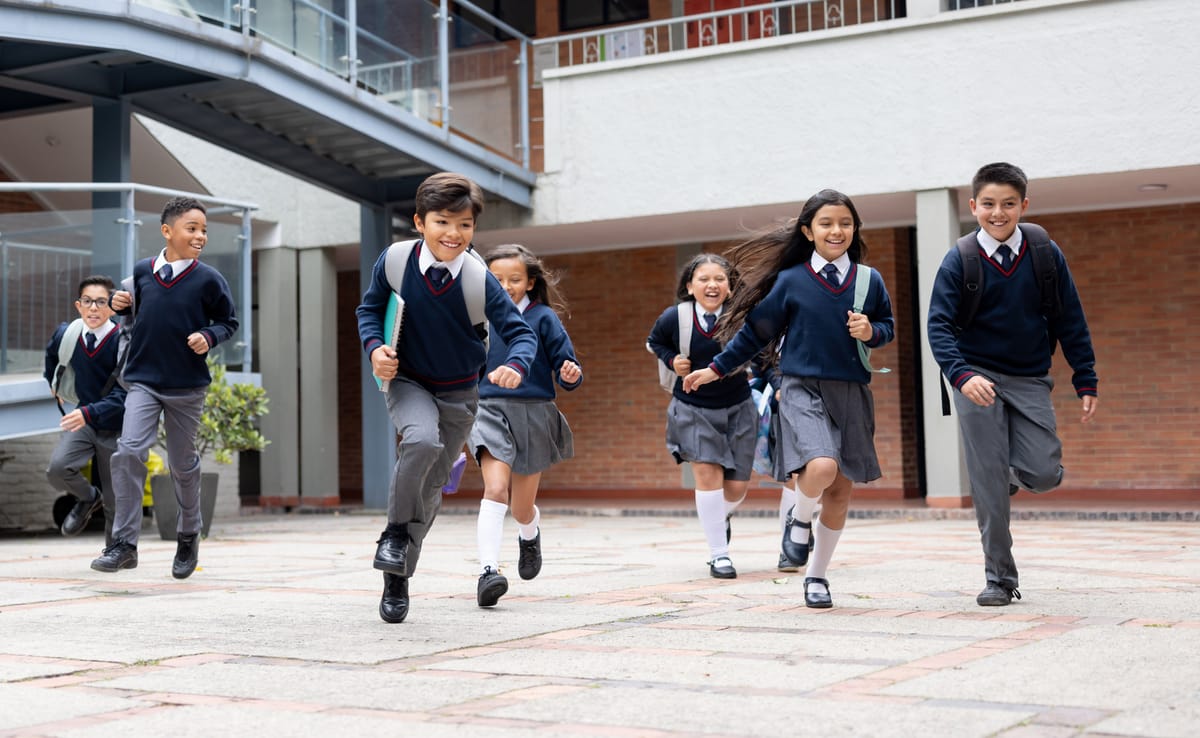
A school athletics carnival can produce thousands of brilliant images: a child crossing the finish line, a team huddle before the grand final, a Year 6 student taking the stage. Families often want those memories. But can schools sell student photos? In Australia, the answer is usually not a simple yes or no. It depends on who took the images, what parents and students were told, what consent was obtained, and how securely the photos are shared and sold.
For school leaders and photographers, the goal is not simply to make images available. It is to create a process that respects children, gives families genuine choice, and does not leave staff managing a stream of access requests, payments and privacy concerns.
Can schools sell student photos in Australia?
Schools may be able to facilitate the sale of student photos, but they need the right permissions and a clear, documented process. A school should not assume that permission to photograph a student automatically means permission to place that image in a paid gallery, use it in promotional material, or share it with a broad audience.
The legal and policy position can vary by state or territory, school sector, and the nature of the event. Government schools are commonly subject to department policies and state privacy requirements, while independent and Catholic schools will have their own policies, enrolment terms and privacy obligations. A professional photographer’s contract and copyright position also affect who can sell the photos and how revenue is handled.
That is why the practical question is often: has the school obtained informed permission for this particular use, and can it demonstrate that the gallery is being managed responsibly?
This is general operational guidance, not legal advice. Schools should check their governing department, sector policies and legal advisers where the proposed arrangement is unclear.

Consent needs to match the use
Photos and videos of a student are types of personal information, protected by privacy law and sometimes by copyright law, which is why consent, context and risk matter before any image is shared or sold.
A photo consent form should be specific enough that a parent or guardian can understand what they are agreeing to. “Photos may be taken at school events” is different from “event images may be made available in a secure gallery for families to view and purchase”.
The form should explain whether photos will be taken by staff, volunteers or an external photographer; whether images will be sold; who may access them; and whether any images could be used beyond the private family gallery. Promotional use deserves separate consideration. A parent who is comfortable buying a digital photo of their child may not be comfortable with that same image appearing in an advertisement, on social media or in a prospectus.
For older students, it is also sensible to consider their wishes. Depending on their age and capacity, students should understand how their image may be used and have a clear path to raise concerns. Consent should never feel like a condition of participating in school life.
A useful process also includes a practical opt-out plan. If a family does not consent, staff and photographers need to know before the event where possible, not after a gallery has gone live. That may mean a discreet identifier on a class list, a photographer briefing, or a plan for removing an image promptly if it is captured inadvertently.

Privacy is about access, not just permission
Even where a school has consent, a public social media album or an open web gallery is rarely the best way to distribute student photos. It can expose images to people outside the school community, make screenshots and downloads hard to control, and create unnecessary concern for families with safety or family-law considerations.
A safer approach is a private, permission-based gallery. Families should be able to access images through secure credentials, a unique gallery code or another controlled method. The school should avoid publishing student names alongside images unless there is a clear reason and appropriate permission to do so.
Searchability needs care as well. AI-assisted photo search can save families from scrolling through hundreds of images, but it should operate within the boundaries of the school’s privacy approach. The benefit is clear: a parent can find relevant event images quickly. The responsibility is equally clear: access controls and supplier safeguards must ensure one family cannot browse a broader collection than intended.
Before choosing a platform or photographer, ask where photos are stored, who can view them, how long they are retained, what happens when a removal request is made, and whether images are used for any other purpose. A vague answer is a warning sign.
Who owns the photo and who receives the money?
Copyright in a school photo is not automatically owned by the school just because the photo was taken on school grounds. In many cases, the photographer owns copyright, particularly where an independent professional is engaged. The written agreement should state who owns the images, who can use them, who sets prices, and whether the school receives a commission or fundraising contribution.
This matters because a school may be facilitating sales rather than selling the images itself. Those are different roles. If a photographer manages the storefront and fulfilment, the school’s responsibility may centre on consent, access, communications and supplier oversight. If the school collects payment, manages orders or sells prints directly, it may take on additional financial administration, recordkeeping and customer-service obligations.
Transparency is the safest path. Tell families who is selling the images, what they may cost, how digital files will be delivered, whether proceeds support a school activity or fundraiser, and whom to contact if there is a problem. If a percentage supports the P&C, a sports program or a school trip, say so plainly.

A practical process for school photo sales
A good photo-sales workflow should reduce administration rather than create a new burden for the front office. Before the camera comes out, align the school, photographer and event organiser on five things:
- the purpose of the photography and whether images will be offered for purchase
- the consent wording, collection method and opt-out procedure
- the approved audience for the gallery and the level of access control
- ownership, pricing, payment handling and any fundraising arrangement
- removal, complaint, retention and data-security procedures.
Then communicate early. A short notice before photo day is more useful than a complicated explanation after parents discover their child’s image online. Let families know what event is being photographed, when the gallery is expected to open, how they will receive access, and who to speak with if they do not want their child photographed or included.
On the day, brief every person taking photos. Volunteers with mobiles can accidentally undermine an otherwise careful process, particularly at sport carnivals, camps and performances. They need to know which students must not be photographed, where they can stand, and whether personal devices are permitted.
After the event, review the gallery before it is shared. Check for sensitive images, visible medical information, school documents, name tags, distressed students, or photos that could embarrass a child. Not every technically good photo belongs in a family gallery.
Choosing a platform that supports trust
Generic file-sharing folders may be quick at first, but they rarely make high-volume school photography easier. They can be difficult to search, easy to forward, and awkward for managing payments or individual access requests. The work simply shifts back to school staff.
A purpose-built platform can centralise uploading, organise galleries by event or team, support controlled family access, and deliver purchased digital files without manual fulfilment. For photographers and clubs, it can also make archived galleries available without requiring a monthly platform commitment.
GeoSnapShot, for example, is designed for school, sport and event environments where permission-based access, searchable galleries and fast delivery matter. The right platform is not only about selling more photos. It should help the school honour consent choices, reduce administrative handling and give families a professional experience.
When a school should pause or say no
There are times when selling student photos is not appropriate. A school should pause if consent records are incomplete, the photographer cannot explain security practices, the gallery would be publicly accessible, or staff do not have a reliable way to honour opt-outs.
The same applies when an event involves vulnerable students, sensitive circumstances or significant safeguarding risks. In those cases, a limited internal record, no photography, or direct distribution only to clearly identified families may be more suitable than a sales gallery.
Commercial value should never outweigh a child’s privacy or dignity. The best arrangements make photo sales optional, respectful and easy for families, while keeping school staff focused on the event itself. When families can safely find a moment they are proud to keep, a simple photo becomes what it should be: a memory, handled with care.